Draw a Flag Easiest Flags for Warm-Ups
S-tier stripes and circles to build speed—plus the lookalike traps that still steal rounds.
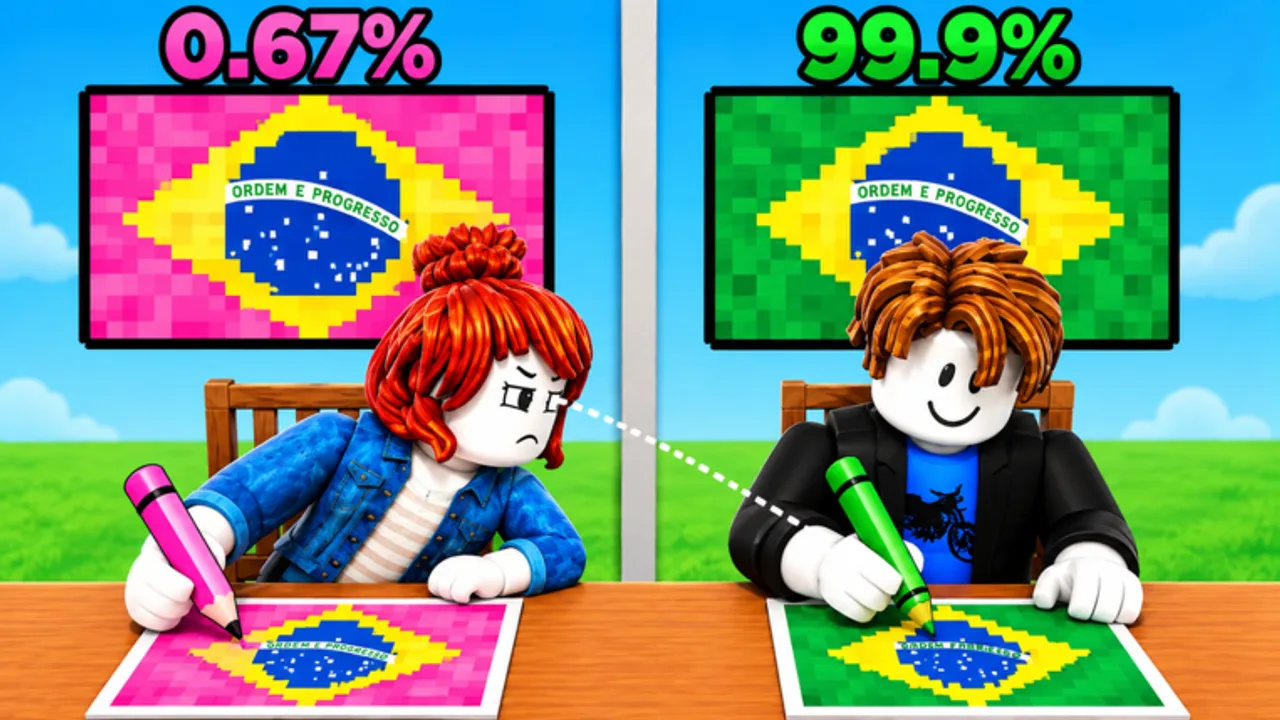
The easiest flags in Draw a Flag! are not “free wins” forever—they are the best warm-up and fundamentals tools in the game. Simple stripes, bold discs, and two- or three-color layouts teach fill order, proportion, and color picking without the noise of coats of arms. New players should live here first; veterans should return here before ranked sessions so their hands remember clean bands before a lobby rolls a C-tier crest.
Start from Getting Started if you are brand new, use this list for daily warm-ups, then stretch into Hardest Flags once your S-tier accuracy is consistently high. The wider map lives on the Tier List Hub.
What makes a flag “easy” on a pixel canvas
Easy flags share traits that play well under the timer:
- Few colors (often two or three).
- Large contiguous regions—horizontal or vertical bands, or one dominant disc.
- Forgiving edges—small proportion errors still look right.
- High recognizability—you know the layout before the first click.
That does not mean zero traps. Lookalike pairs (Indonesia vs Monaco vs Poland, Chad vs Romania) punish players who rush after a winning streak. Easy means the shapes are simple; memory and shade discipline still decide close 1v1s.
Core S-tier warm-up set
Japan
White field, red disc slightly toward the hoist in many references, centered enough that a clear crimson circle on white scores extremely well. Drill: fill white fully, then place a round red disc of correct size. Avoid a square “dot” or a disc that is too small—empty white margins around a tiny circle leak points.
France, Italy, Belgium, Netherlands, Germany
Vertical or horizontal tricolors are the backbone of beginner practice.
- France: Blue, white, red vertical bands from the hoist.
- Italy: Green, white, red vertical bands.
- Belgium: Black, yellow, red vertical bands.
- Netherlands: Red, white, blue horizontal bands.
- Germany: Black, red, gold horizontal bands.
Why they train you well: You practice even thirds, edge cleanliness, and color order under speed. Common fail: flipping the hoist-side color (especially France vs Italy muscle-memory mix-ups) or leaving the final band unfinished.
Poland and Indonesia / Monaco awareness
Poland is white over red—two horizontal bands. It looks trivial until you meet Indonesia (red over white) or remember Monaco’s similar red-over-white proportions. The shapes are S-tier; the memory trap is A-tier.
Warm-up rule: Say the color order out loud (or in your head) before painting: “Poland white then red,” “Indonesia red then white.” That one-second verbal check saves more rounds than any brush trick.
Other friendly layouts
Many two-color horizontal or vertical flags and simple Nordic crosses (when proportions are familiar) also belong in early warm-ups. Keep a personal shortlist of five flags you can finish cleanly in well under the timer—those are your pre-lobby ritual.
Beginner warm-up routine (10–15 minutes)
- Japan once—disc size and white fill quality.
- France + Italy back-to-back—vertical tricolor order under speed.
- Germany + Netherlands—horizontal bands, watch gold vs yellow intuition and blue placement.
- Poland then Indonesia—force the red/white order check.
- Belgium—black/yellow/red vertical to break tricolor autopilot.
- Optional: one “trap reminder” glance at Chad vs Romania color-shade notes below.
Stop while you are still accurate. Ending a warm-up on a choke teaches tilt, not skill. When the routine feels automatic, add a single flag from Hardest Flags as a cool-down stretch—not the other way around on day one.
Common traps on “easy” flags
Indonesia vs Poland (and Monaco)
Same two colors, opposite vertical order for Poland vs Indonesia. Monaco shares the red-over-white idea with Indonesia but can differ in proportion depending on the reference the game uses. Fix: Identify country name → recite order → paint top band first with confidence. Never start from a half-remembered “red and white flag” blur.
Chad vs Romania
Both are vertical blue, yellow, red tricolors in the same order. The difference is blue shade (Chad’s blue is typically darker) and subtle proportion cues. On a limited Roblox palette, shade reading is the whole fight. Fix: If the reference shows a deeper blue, commit early; mid-round shade swaps create muddy bands and tank accuracy. When unsure, match the reference swatch on-screen rather than your real-world memory of either country.
France vs Italy autopilot
After twenty tricolors, players slap green on France or blue on Italy. Fix: Hoist-color check every time—France blue hoist, Italy green hoist.
Unfinished third bands
Easy flags trick you into relaxing. Leaving the final third patchy is how you lose to someone slower but complete. Fix: Block all three bands lightly first, then clean edges—same triage mindset taught for hard flags, just with fewer pieces.
How beginners should think about scoring
On S-tier flags, both players often “finish.” Wins come from:
- Correct order and shades
- Even proportions
- Clean edges and filled corners
- Not second-guessing mid-paint
That is why easiest flags are perfect teachers for Accuracy Tips habits before you ever touch a coat of arms. If you cannot hit high accuracy on Japan or Germany consistently, a Mexico crest will only multiply the chaos.
Bridging from easiest to hardest
Use this ladder:
- Master the warm-up set above until mistakes are rare.
- Add lookalike drills (Poland/Indonesia, Chad/Romania) until the verbal check is automatic.
- Introduce one vertical or horizontal flag with a small central mark (still mostly S/A).
- Only then schedule C-tier sessions from Hardest Flags—stars, arms, calligraphy, Nepal silhouette, jack derivatives.
If a hardest-flag session tanks your confidence, return here for five clean S-tier draws. Easy flags are not “below you”; they are how you reset hands and eyes.
Lobby advice for S-tier rounds
When the server rolls an easy flag, do not celebrate early. Easy rounds are where streaks die to flipped colors. Play them with the same one-second read you use on Spain: confirm layout, confirm hoist color, fill large regions, clean corners. Speed is fine; autopilot is not. Pair this mindset with How to Win for broader duel habits and How to Draw Flags for stroke and fill technique.
Building a personal easiest-flag playlist
Write down eight flags you personally find fast and clean. Include at least one lookalike pair so your playlist trains memory, not only motor skill. Rotate two “comfort” flags and one “trap” flag every warm-up. Update the list when Meow Forge’s pool makes a former comfort flag feel shaky—or when a new simple design becomes your favorite speed drill.
Easiest flags are the foundation of every strong Draw a Flag! player. Treat them with respect, warm up on them daily, and use them to keep your accuracy honest while you climb the rest of the Tier List Hub.
Frequently Asked Questions
Quick answers for Draw a Flag players.
Which flags should absolute beginners practice first?
Japan, France, Italy, Germany, Netherlands, Belgium, and Poland. They teach discs and tricolor bands quickly. Then add Indonesia order checks before moving to hardest flags.
How do I stop mixing up Indonesia and Poland?
Recite color order before painting: Poland is white over red; Indonesia is red over white. The shapes are easy—the memory check is the real skill.
Why do I still lose on easy flags in 1v1?
Usually flipped hoist colors, unfinished third bands, or shade mistakes on lookalikes like Chad vs Romania. Easy layouts still punish autopilot.
When should I start practicing hardest flags?
After you can warm up on this easiest set with consistently high accuracy. Then add one hardest flag at a time so bad triage habits do not form.
Where should new players go after this page?
Finish Getting Started if you have not, skim Accuracy Tips, then use the Tier List Hub to plan rotations between easiest and hardest flags.